Why early orthodontic treatment works
Between ages 6 and 7, adult teeth start coming in while the jaw is still growing. That growth is an opportunity: some bite and spacing problems can be guided into place with simple appliances now, instead of corrected with more involved treatment after growth has stopped. We check your child's bite and spacing at every routine visit, so problems are caught on time.
Space maintainers
When a baby tooth is lost early, a space maintainer keeps the neighboring teeth from drifting into the gap so the adult tooth has room to come in. Common types include band and loop, distal shoe, Nance and lingual holding arch appliances; we choose the one that fits your child's situation.
Habit appliances
Long-term thumb-sucking and tongue-thrusting can push teeth forward and change how the jaws develop. A habit appliance gently discourages the habit so the teeth and jaws can grow normally.
Rapid palatal expanders
A narrow upper jaw can cause a posterior cross-bite, where the upper back teeth bite inside the lower teeth. A rapid palatal expander gradually widens the upper jaw while it is still growing, correcting the bite and creating room for adult teeth.
What to expect at your visit
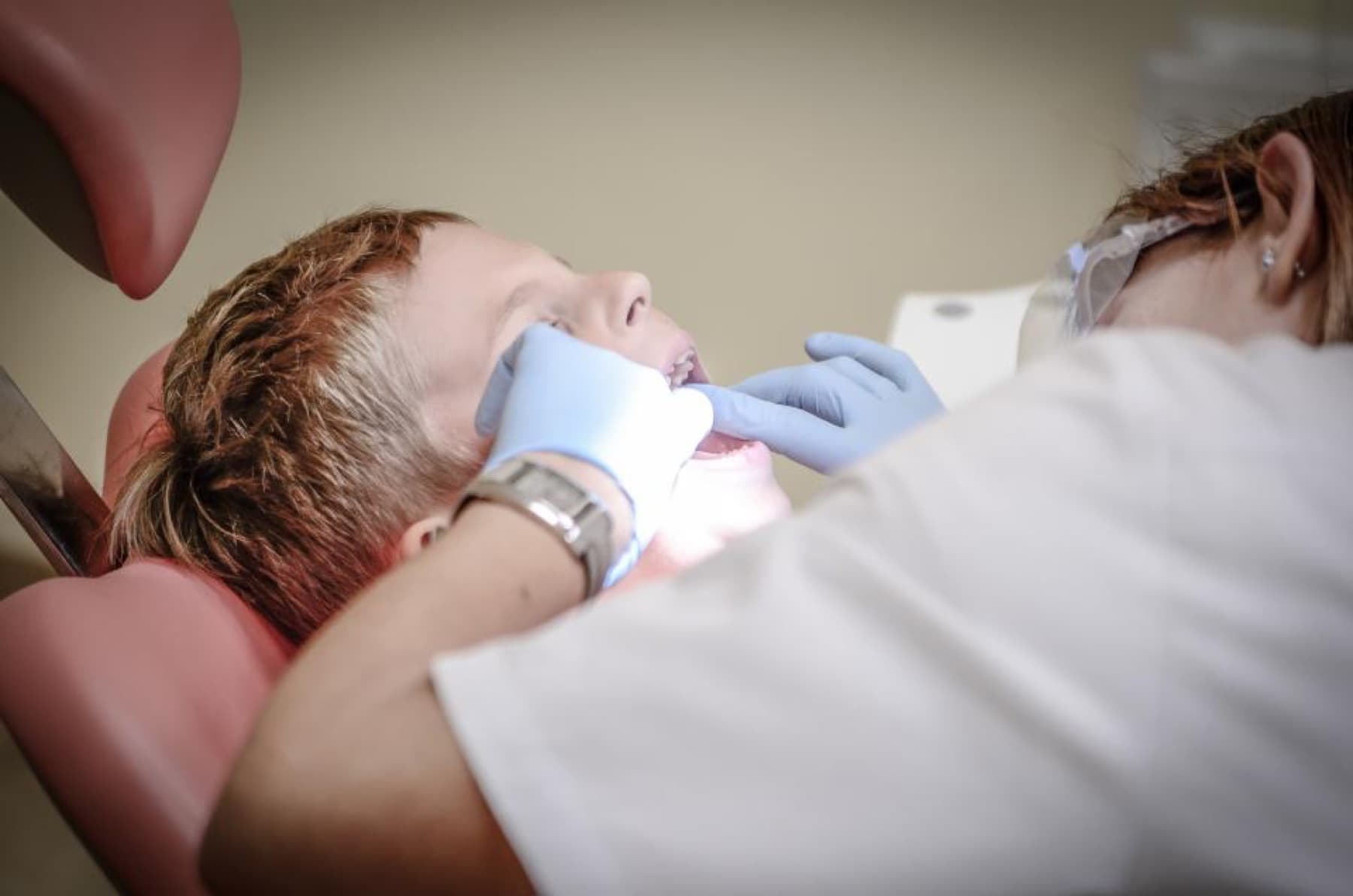
- 01Bite evaluationWe check spacing, bite and jaw growth, with x-rays when needed.
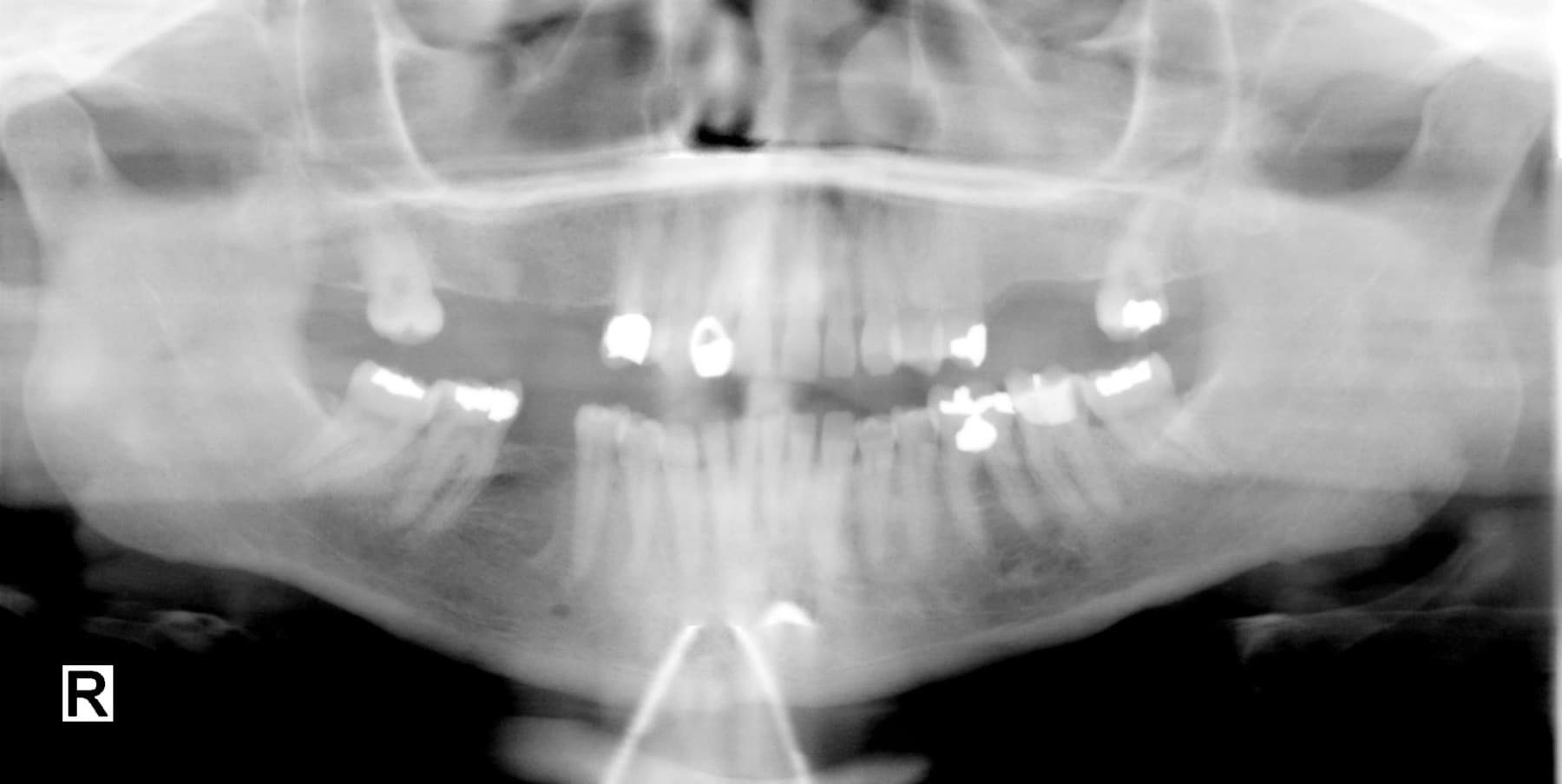
- 02Clear recommendationWe explain whether treatment is needed now, later, or not at all.
- 03Custom applianceThe appliance is fitted to your child's mouth and adjusted for comfort.
- 04Progress checksRegular visits to track growth and adjust as needed.
Why parents choose our orthodontic treatment in Stonecrest
- Insurance checked before you arriveWe accept all major PPO plans and verify your benefits in advance, so you know your cost up front. No hidden fees.
- 7 AM appointmentsEarly visits Monday–Friday, plus Saturdays by appointment — easier to fit around school and work.
- Sedation options onsiteLaughing gas, oral sedation and general anesthesia (onsite or hospital) for anxious or young children.
- Everything under one roofCheckups, fillings, crowns, nerve treatment, early orthodontics and emergencies at one Stonecrest office.
- Low-radiation digital x-raysUp to 90% less radiation than film, taken only when they're needed.
- Special needs experienceTraining beyond dental school in caring for children with special healthcare needs.
Early Orthodontic Treatment in Stonecrest: questions parents ask
What age should my child have an orthodontic evaluation?
Around age 6 or 7, when adult teeth begin to come in and the jaw is still growing. We also check the bite at every routine checkup.
What problems can early orthodontic treatment fix?
Crowding, cross-bites, tongue thrust, thumb-sucking habits and space lost from early tooth loss. Treating these early can make later braces simpler or shorter.
Does a palatal expander hurt?
Children usually feel pressure for a few days after each adjustment, which settles as they get used to it. We show you exactly how to care for it at home.
Will my child still need braces later?
Some children will and some won't. Early treatment aims to correct problems while growth can help, which often makes later treatment shorter or unnecessary. We'll tell you honestly what to expect.
Reviewed by Dr. Debbie Granger· Last updated