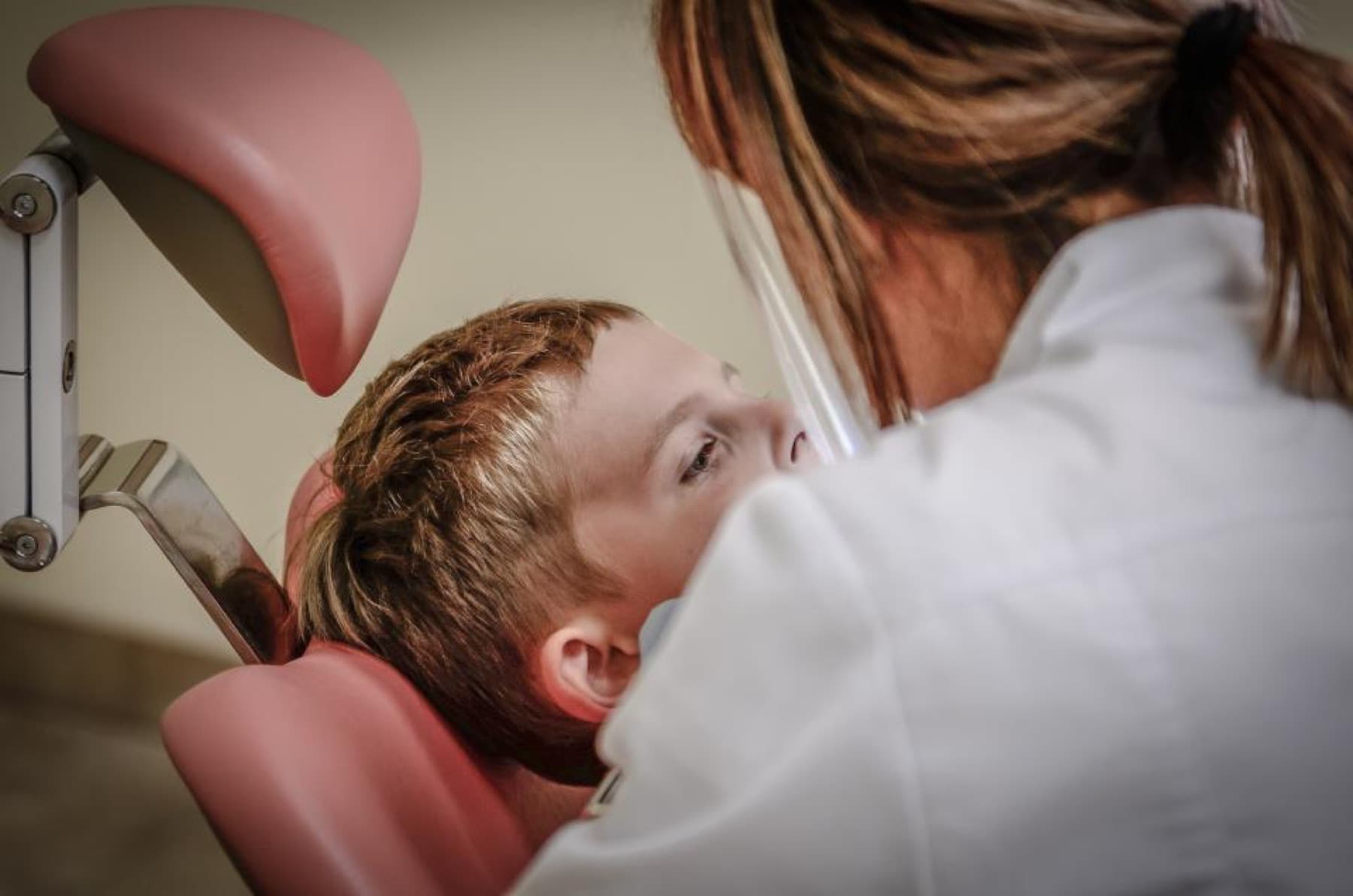
When sedation is the right choice
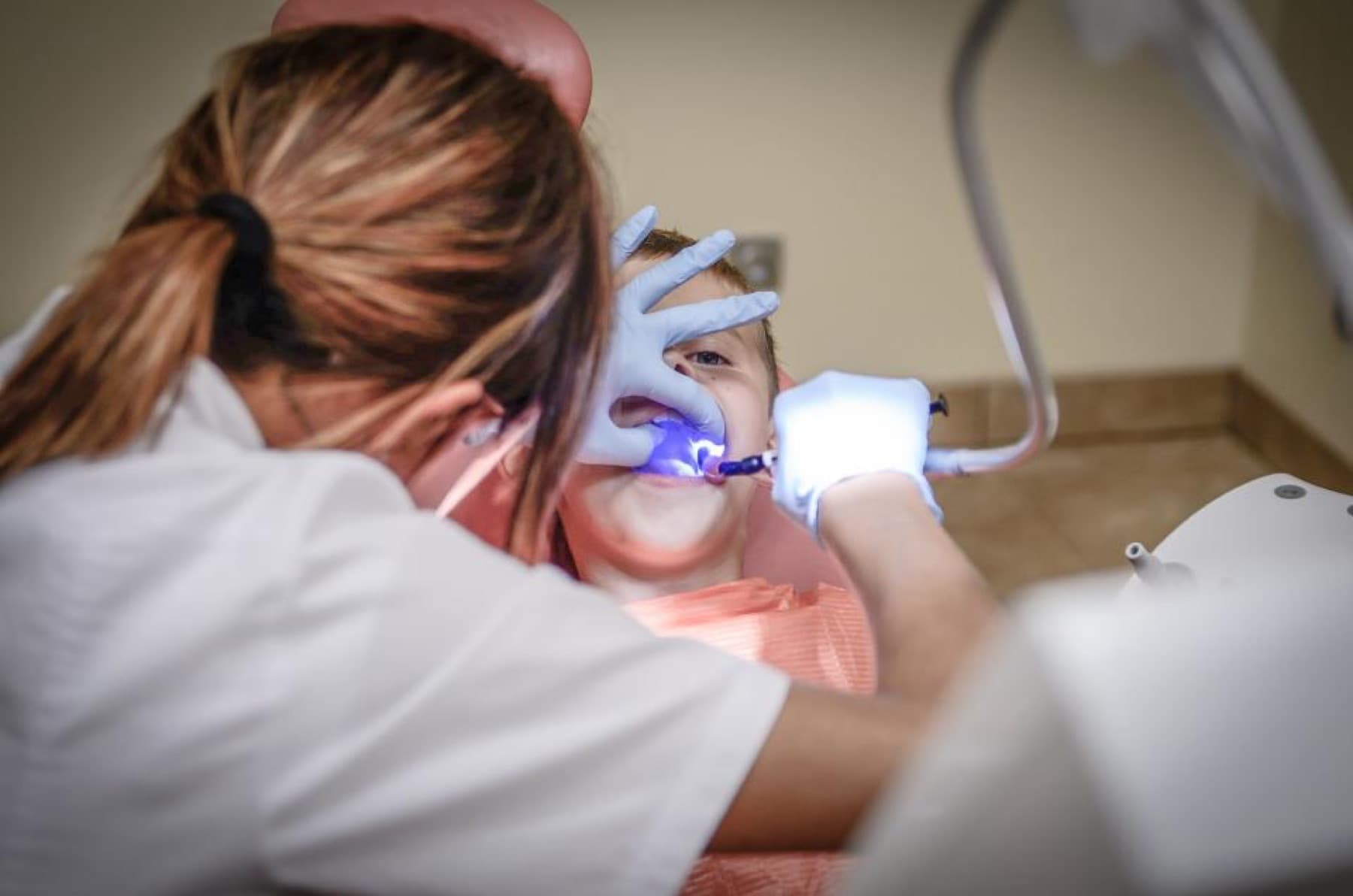
A bad dental experience in childhood can create a fear that lasts into adulthood. Sedation lets children who are scared, very young, have a strong gag reflex or special healthcare needs get the care they need without a struggle — and without leaving with a fear of the pediatric dentist.
Nitrous oxide (laughing gas)
Laughing gas is the mildest form of sedation. Your child breathes it through a small scented mask — cherry, bubble gum, grape or orange — and feels relaxed within minutes while staying awake and able to talk. It reduces anxiety, calms wiggly movements and helps with longer appointments and gag reflexes. The effect wears off within minutes after the mask comes off, so most kids go straight back to school.
Oral conscious sedation
When laughing gas isn't enough, your child may drink a liquid medicine chosen for their health, age, anxiety level and treatment needs. Most children become relaxed and drowsy and may drift into a light sleep, but they stay easy to wake. It is not designed to make a child unconscious. Our team monitors your child throughout the visit. Some children still become upset under oral sedation; if that happens, we'll stop and talk with you about other options.
General anesthesia
For very young children, children with high anxiety or special healthcare needs, or kids who need extensive work, general anesthesia lets us complete all treatment in one visit while your child is fully asleep — similar to having tubes placed in the ears or tonsils removed. We provide general anesthesia onsite or in a hospital setting, and we send you home with diet and home-care instructions.
What to expect at your visit
- 01Health reviewWe go over your child's medical history, medications and past dental experiences.
- 02Choosing the levelWe recommend the lightest sedation that will work and explain why, including cost.
- 03Monitored treatmentOur team watches your child's response and comfort throughout the visit.
- 04Recovery and aftercareClear instructions on eating, activity and what's normal afterward.
Why parents choose our sedation pediatric dentist in Stonecrest
- Insurance checked before you arriveWe accept all major PPO plans and verify your benefits in advance, so you know your cost up front. No hidden fees.
- 7 AM appointmentsEarly visits Monday–Friday, plus Saturdays by appointment — easier to fit around school and work.
- Sedation options onsiteLaughing gas, oral sedation and general anesthesia (onsite or hospital) for anxious or young children.
- Everything under one roofCheckups, fillings, crowns, nerve treatment, early orthodontics and emergencies at one Stonecrest office.
- Low-radiation digital x-raysUp to 90% less radiation than film, taken only when they're needed.
- Special needs experienceTraining beyond dental school in caring for children with special healthcare needs.
Sedation Dentistry in Stonecrest: questions parents ask
Is laughing gas safe for kids?
Yes. Nitrous oxide is the mildest form of dental sedation. Your child stays awake and breathes normally, and the effect wears off within minutes of removing the mask.
Will my child be asleep with oral sedation?
Not fully. Most children become relaxed or drowsy and some drift into a light sleep, but they remain easy to wake. Oral sedation is not meant to make a child unconscious.
When is general anesthesia recommended?
For very young children, children with high anxiety or special healthcare needs, or those who need extensive treatment. It allows all care to be done safely in one visit.
Can my child eat before sedation?
It depends on the type of sedation. We give you exact eating and drinking instructions when we schedule the visit — please follow them closely, as they are important for safety.
Does insurance cover dental sedation?
Coverage for nitrous oxide and sedation varies widely between PPO plans. We check your specific plan and tell you the cost before the appointment.
Reviewed by Dr. Debbie Granger· Last updated